

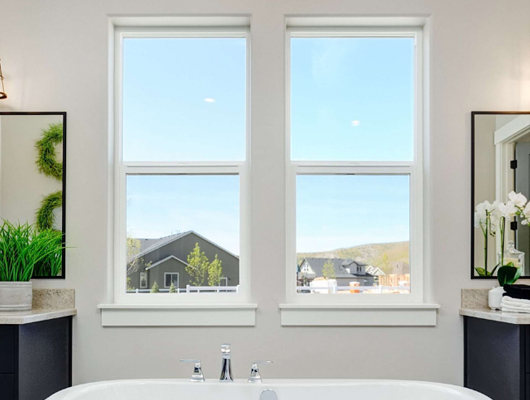
Replacing Old Single-Pane Windows in the Valley: The Comfort and Savings You’ll Feel
Single-pane window replacement is the process of removing outdated single-layer glass windows and installing modern double-pane or triple-pane units with improved insulation and solar control. In a climate like Phoenix, this upgrade directly reduces heat gain, lowers energy bills, and makes your home significantly more comfortable through Arizona summers.
This guide focuses specifically on Phoenix-area homeowners dealing with the comfort and cost problems caused by old single-pane windows.
Single-Pane Window Definition: A single-pane window uses one layer of glass with no insulating air gap, offering almost no barrier against heat transfer, UV rays, or outside noise.
If your rooms feel like a greenhouse by noon, your AC never quite catches up, and your energy bills look alarming every July, your single-pane windows are likely a major reason why. According to the U.S. Department of Energy, heat gain and heat loss through windows account for 25-30% of residential heating and cooling energy use. In Phoenix, where summer temperatures push past 110 degrees, that percentage hits even harder.

What Single-Pane Windows Are Actually Costing You
Single-pane windows have very poor insulating value compared with modern double-pane or triple-pane windows. Their U-factor (a measure of how much heat flows through the window) typically runs around 1.0 or higher. A modern low-E double-pane window can achieve a U-factor of 0.25-0.30. That difference is not minor. It translates directly to how hard your air conditioner works every single day from May through September.
U-factor: A rating that measures heat transfer through a window. Lower numbers mean less heat passes through, which is what you want in Phoenix.
SHGC (Solar Heat Gain Coefficient): A measure of how much solar radiation enters as heat. Phoenix homes benefit most from windows with an SHGC of 0.25 or below to block aggressive afternoon sun.
Phoenix homeowners who replace single-pane windows with high-performance double-pane units commonly report meaningful reductions in cooling costs during peak summer months. That adds up fast when you’re running a 4-ton AC unit for six months straight.
Single-Pane vs Double-Pane Windows: Which Approach Works?
Where single-pane windows succeed: Lower upfront cost in mild climates where temperature swings are small. They also suit historic preservation projects where original glass appearance is required by code.
Where single-pane windows fail: They offer almost no insulation against Phoenix heat, allow UV rays to fade furniture and flooring, and provide minimal noise reduction from traffic or neighborhood activity.
Where double-pane windows succeed: They dramatically reduce solar heat gain when paired with low-E coatings. They cut UV transmission by up to 99%, protect interior surfaces, and reduce outside noise. They also qualify for federal and state energy efficiency incentives in 2026.
Where double-pane windows fail: Higher upfront cost compared to single-pane. In very mild climates, payback periods extend longer. Seal failure over decades can cause fogging between panes.
The verdict: For any home in the Phoenix metro area, double-pane low-E windows with a low SHGC are the clear choice. Energy savings over time can help offset the initial investment, and comfort improvements are immediate from day one.
| Window Type | U-Factor | Typical Cost Per Window | Best For |
|---|---|---|---|
| Single-Pane | Approximately 1.0 or higher | Varies by size and market | Mild climates only |
| Double-Pane Low-E | 0.25-0.35 | Varies by size, frame, and installer | Phoenix heat, energy savings |
| Triple-Pane Low-E | 0.15-0.20 | Varies by size, frame, and installer | Maximum insulation, noise reduction |
Thinking about this for your situation? Let’s talk. Desert King Windows in Phoenix AZ will walk you through your options with no pressure.
Top Window Brands Worth Considering in 2026
| Brand | Product Line | Price Range | SHGC Rating | Best For |
|---|---|---|---|---|
| Anlin | Malibu Series | Varies by configuration | Verify with manufacturer | Arizona heat performance |
| Simonton | Reflections 5500 | Varies by configuration | Verify with manufacturer | Value + desert durability |
| Milgard | Tuscany Series | Varies by configuration | Verify with manufacturer | Premium comfort + warranty |
| Andersen | 100 Series | Varies by configuration | Verify with manufacturer | Classic look, strong warranty |
Your Single-Pane Replacement Action Plan
- Step 1 – Audit your windows: Walk each room and note which windows face west or south. These get the worst afternoon sun exposure and should be prioritized first.
- Step 2 – Check your specs: Look for windows with a U-factor below 0.30 and an SHGC below 0.25 for Phoenix conditions. These ratings are verified by the National Fenestration Rating Council.
- Step 3 – Verify permits: Most Phoenix window replacements require a permit through the City of Phoenix Development Services. Your contractor should pull this for you.
- Step 4 – Confirm incentives: Arizona homeowners may find utility rebates or federal tax credits, but a general statewide energy equipment credit should be verified for the current tax year before being cited. Ask your contractor for documentation so you can claim eligible credits on your 2026 return.
- Step 5 – Schedule installation: Plan installation for fall or spring if possible. October through February is ideal in the Valley. Summer installs are doable but harder to schedule.
Pre-Replacement Checklist
- ☐ Get at least two written quotes from licensed Arizona contractors
- ☐ Confirm contractor holds a valid ROC (Registrar of Contractors) license
- ☐ Ask for documented U-factor and SHGC ratings for the windows being installed
- ☐ Verify permit is included in the scope of work
- ☐ Confirm manufacturer warranty terms in writing
- ☐ Check for utility rebates through APS or SRP before signing
Common Mistakes That Delay or Derail Projects
The most common mistake homeowners make is buying on price alone without checking the SHGC rating. A cheap double-pane window with a high SHGC will still let massive solar heat into a west-facing room. Always ask for the spec sheet.
- Skipping the permit – this creates problems at resale and can void manufacturer warranties
- Choosing a window designed for cold climates, which prioritizes U-factor over SHGC – wrong priority for Phoenix
- Not verifying ROC license before signing a contract
- Forgetting to check utility rebate deadlines – APS and SRP programs change annually
Key Takeaways for Phoenix Homeowners in 2026
- Single-pane windows are costing you – their very poor insulating value drives up cooling costs during Phoenix summers
- SHGC matters more than U-factor in the Valley – target 0.25 or below for south and west exposures
- Permits are required in Phoenix – make sure your contractor pulls one
- Incentives exist in 2026 – check APS, SRP, and available energy credits before your install
- Comfort gains are immediate – most homeowners feel the difference within the first week
Ready to take the next step? Contact Desert King Windows in Phoenix AZ at 2615 S 21st St, Phoenix, AZ 85034 for straight answers and real solutions on single-pane window replacement.
Frequently Asked Questions
How much does single-pane window replacement cost in Phoenix?
In Phoenix, replacing single-pane windows typically costs $300-$700 per window installed, depending on size, brand, and frame material (2026 market rates). Whole-home projects covering 10-15 windows commonly run $4,000-$9,000 total, including labor, permits, and disposal of old units.
How long does window replacement take?
Most single-family Phoenix homes complete window replacement in one to two days. Larger homes with more than 15 windows or custom sizing can take two to three days. Permit approval from the City of Phoenix typically adds three to five business days before work begins.
Do I need a permit to replace windows in Phoenix?
Yes, most window replacements in Phoenix require a permit through the City of Phoenix Development Services department. A licensed contractor should include permit pulling as part of their service. Skipping this step creates issues at resale and can void some manufacturer warranties.
What SHGC rating is best for Phoenix homes?
For Phoenix, look for windows with an SHGC of 0.25 or lower, especially for south-facing and west-facing windows that receive direct afternoon sun. This rating controls how much solar heat enters your home and has a bigger impact on cooling costs in Arizona than almost any other spec.
Are there tax credits or rebates for window replacement in 2026?
Arizona homeowners may qualify for utility rebates through APS or SRP, and federal tax credits may apply to qualifying window installations in 2026. Any available state-level incentives should be verified for the current tax year. Ask your contractor for the product certification documentation you will need when filing.
How do I verify a window contractor is licensed in Arizona?
Check the Arizona Registrar of Contractors (ROC) website to verify any contractor’s license status before signing a contract. A valid ROC license, proof of bonding, and general liability insurance are the baseline requirements you should confirm in writing before work begins.
Recent posts
 Energy-Efficient Windows for Arizona: What Actually Lowers Your APS or SRP BillOctober 5, 2026
 Double-Pane vs. Triple-Pane Windows in Las Vegas: Which Is Actually Worth It in the Desert?October 2, 2026
 Vinyl vs. Fiberglass Windows in Arizona: An Honest Desert ComparisonSeptember 28, 2026
 Why Vinyl Windows Are the Smart, Low-Maintenance Choice for Las Vegas HomesSeptember 25, 2026