

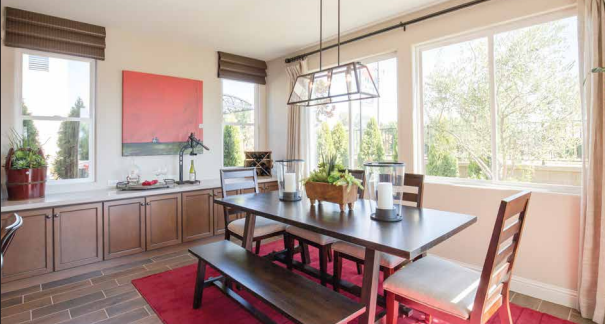
Vinyl vs. Fiberglass Windows in Arizona: An Honest Desert Comparison
Vinyl vs. fiberglass windows in Arizona is a comparison between two of the most widely installed window frame materials in the desert Southwest, each with distinct performance profiles under extreme heat. Choosing the right one affects your energy bills, comfort, and how long your windows actually last in Phoenix’s brutal climate.
This guide focuses specifically on homeowners in the Phoenix metro area comparing vinyl and fiberglass window frames for desert conditions in 2026.
Definition: Vinyl vs. fiberglass windows in Arizona refers to the performance, cost, and durability comparison between PVC-based vinyl frames and glass-fiber-reinforced polymer frames when installed in high-heat, high-UV desert environments.
Here’s the honest truth: both materials work in Arizona. But they don’t work equally well for every home, every budget, or every wall orientation. The most common mistake we see is homeowners choosing based on price alone, without accounting for how Phoenix heat affects each material differently over a 10- to 20-year horizon.

How Each Material Handles Arizona Heat
Phoenix is known for extreme summer heat that is sustained over long periods. That kind of sustained heat does things to window frames that most product descriptions don’t mention.
Vinyl frames are made from PVC (polyvinyl chloride), a plastic polymer. They perform well in most climates and are the most affordable option on the market. The challenge in the desert is thermal expansion. Vinyl can expand significantly when temperatures swing from a cool winter morning to a hot summer afternoon. Over time, that expansion and contraction can loosen seals, create gaps, and reduce insulating performance.
Fiberglass frames are made from pultruded glass fibers set in resin. The key advantage here is a thermal expansion rate nearly identical to glass itself. That means the frame and pane move together instead of fighting each other. The result is a more stable seal over time, which matters a lot in Arizona’s extreme temperature swings.
Window frame material significantly affects overall thermal performance, and frames with low thermal expansion maintain their insulating value longer in high-temperature climates.
Vinyl vs. Fiberglass Windows in Arizona: Side-by-Side Breakdown
| Feature | Vinyl | Fiberglass |
|---|---|---|
| Cost per window (installed) | Varies by product and scope | Generally higher than vinyl |
| Thermal expansion | Moderate – can cause seal gaps | Low – matches glass expansion |
| U-factor range | Varies by product and glazing | Generally lower than vinyl |
| Lifespan in desert climate | Shorter than fiberglass | Longer than vinyl |
| Maintenance | Very low | Low to moderate |
| Color options | Limited (fading risk in UV) | Wide (paintable, UV-stable) |
| Best for | Budget-conscious upgrades | Long-term performance homes |
Where Each Option Succeeds and Fails
Where vinyl succeeds: Lower upfront cost, zero maintenance beyond cleaning, widely available from multiple manufacturers, and performs well in double-pane configurations with low-SHGC coatings. For most Phoenix rental properties or homes with east- or north-facing windows, vinyl holds up reasonably well.
Where vinyl fails: West- and south-facing windows that take direct afternoon sun for hours are vinyl’s weak spot. Sustained radiant heat accelerates PVC degradation. Color fading is also more common, and once vinyl fades or warps slightly, it’s not paintable.
Where fiberglass succeeds: Dimensional stability in extreme heat, better long-term seal integrity, higher strength-to-weight ratio, and the ability to be painted if you want to match trim or update your home’s look. Fiberglass frames also handle larger window sizes without flexing.
Where fiberglass fails: The upfront cost is significantly higher than comparable vinyl units. Availability is also narrower. Not every window company in the Phoenix area carries a full fiberglass line.
The verdict: For west-facing or south-facing windows, fiberglass earns its premium price through longer seal life and better UV resistance. For the rest of your home, quality vinyl with a low SHGC (solar heat gain coefficient) rating delivers strong performance at a more accessible price point. Many Phoenix homeowners mix both, using fiberglass on sun-exposed elevations and vinyl elsewhere.
Thinking about this for your situation? Let’s talk. We’ll walk you through your options – no pressure. Reach out to the team at Desert King Windows in Phoenix AZ for a straightforward conversation about what actually makes sense for your home.
Arizona Tax Credits and Rebate Opportunities in 2026
A federal Energy Efficient Home Improvement Credit may be available to eligible homeowners on qualifying window replacements that meet applicable ENERGY STAR criteria. Both vinyl and fiberglass windows can qualify, but the frame and glass package must meet specific U-factor and SHGC thresholds set for hot climates (Climate Zone 2, which covers metro Phoenix). Consult a tax professional or visit the IRS website for current eligibility requirements and credit limits.
Some local utilities offer rebate programs for qualifying window upgrades. Rebate amounts vary by season and program availability, so confirm current offerings directly with your utility before purchasing.
Your Window Replacement Action Plan
- Step 1 – Audit your exposures: Walk your home and identify which windows face west and south. These are your priority candidates for fiberglass or high-performance vinyl.
- Step 2 – Check SHGC first: In Phoenix, SHGC matters more than U-factor. Look for SHGC of 0.25 or lower on any sun-exposed window, regardless of frame material.
- Step 3 – Request quotes for both materials: Get line-item quotes comparing vinyl and fiberglass on your highest-exposure windows. The price gap is sometimes smaller than expected at the product level.
- Step 4 – Verify contractor credentials: Confirm your installer holds an active Arizona Registrar of Contractors (ROC) license. You can verify at roc.az.gov.
- Step 5 – Confirm permit requirements: Window replacement projects may require a building permit depending on scope and local rules. Your contractor should clarify permit requirements as part of the project.
Pre-Installation Checklist
- ☐ Measure rough opening dimensions for each window
- ☐ Confirm frame material, glass package, and SHGC rating in writing
- ☐ Request manufacturer warranty documentation before signing
- ☐ Verify ROC license number for your installer
- ☐ Ask whether permits are included in the quote
- ☐ Confirm lead time for fiberglass units (often 4 to 8 weeks)
Key Takeaways for Phoenix Homeowners in 2026
- Fiberglass outperforms vinyl in direct sun – the lower thermal expansion rate protects your seals longer on west- and south-facing walls.
- Vinyl remains a strong value – quality double-pane vinyl with low SHGC performs well on shaded or north-facing exposures.
- SHGC is your most important spec – aim for 0.25 or lower in metro Phoenix regardless of frame material.
- Federal tax credits may be available in 2026 – check current IRS guidance on qualifying ENERGY STAR window replacements.
- Mixing materials is a legitimate strategy – many homeowners use fiberglass on high-exposure sides and vinyl elsewhere to balance cost and performance.
Frequently Asked Questions
Are fiberglass windows worth the extra cost in Arizona?
For west- and south-facing windows in Phoenix, fiberglass is generally worth the premium. The material’s low thermal expansion rate keeps seals intact longer under sustained extreme heat, which protects your insulating performance and avoids premature replacement.
How long do vinyl windows last in the Phoenix heat?
Quality vinyl windows can provide years of reliable service in Arizona’s desert climate, though lifespan varies by product and conditions. Lifespan depends heavily on sun exposure, glass coating quality, and installation. West-facing vinyl windows often show seal degradation sooner than shaded or north-facing units.
What SHGC rating should Arizona windows have?
In the Phoenix metro area (Climate Zone 2), target an SHGC of 0.25 or lower for any sun-exposed window. This rating limits solar heat gain, which is the primary driver of cooling costs and interior discomfort during summer months.
Do I need a permit to replace windows in Phoenix?
Window replacement projects may require a building permit depending on the scope of work and applicable local requirements. Your licensed contractor should clarify permit obligations as part of the project. Always confirm this before work begins.
Can I mix vinyl and fiberglass windows in the same home?
Yes, mixing frame materials is a practical strategy many Phoenix homeowners use. Fiberglass on high-sun elevations and vinyl elsewhere lets you optimize performance where it matters most while managing overall project cost.
What brands offer fiberglass windows for Arizona homes?
Marvin, Integrity by Marvin, and Pella offer well-regarded fiberglass window lines available in the Phoenix market. Milgard and Simonton cover the vinyl category effectively at multiple price points. Ask your installer which lines they are authorized to sell and install.
Is the federal window tax credit still available in 2026?
A federal Energy Efficient Home Improvement Credit has been available for qualifying windows in recent years. Consult current IRS guidance or a tax professional to confirm eligibility requirements and credit amounts for your situation.
Ready to take the next step? Contact the team at Desert King Windows in Phoenix AZ today for straight answers and real solutions. We serve homeowners throughout the Phoenix metro, including Tempe, Chandler, Scottsdale, Mesa, Glendale, Peoria, and surrounding communities. Our team is located at 2615 S 21st St, Phoenix, AZ 85034.
Recent posts
 Why Vinyl Windows Are the Smart, Low-Maintenance Choice for Las Vegas HomesSeptember 25, 2026
 Entry-Door Replacement in Phoenix: Curb Appeal That Can Take 115 DegreesSeptember 21, 2026
 The Federal Window Tax Credit Ended – How Las Vegas Homeowners Can Still Save in 2026September 18, 2026
 Security Screen Doors in Arizona: Airflow, Style, and Protection for Desert HomesSeptember 14, 2026