

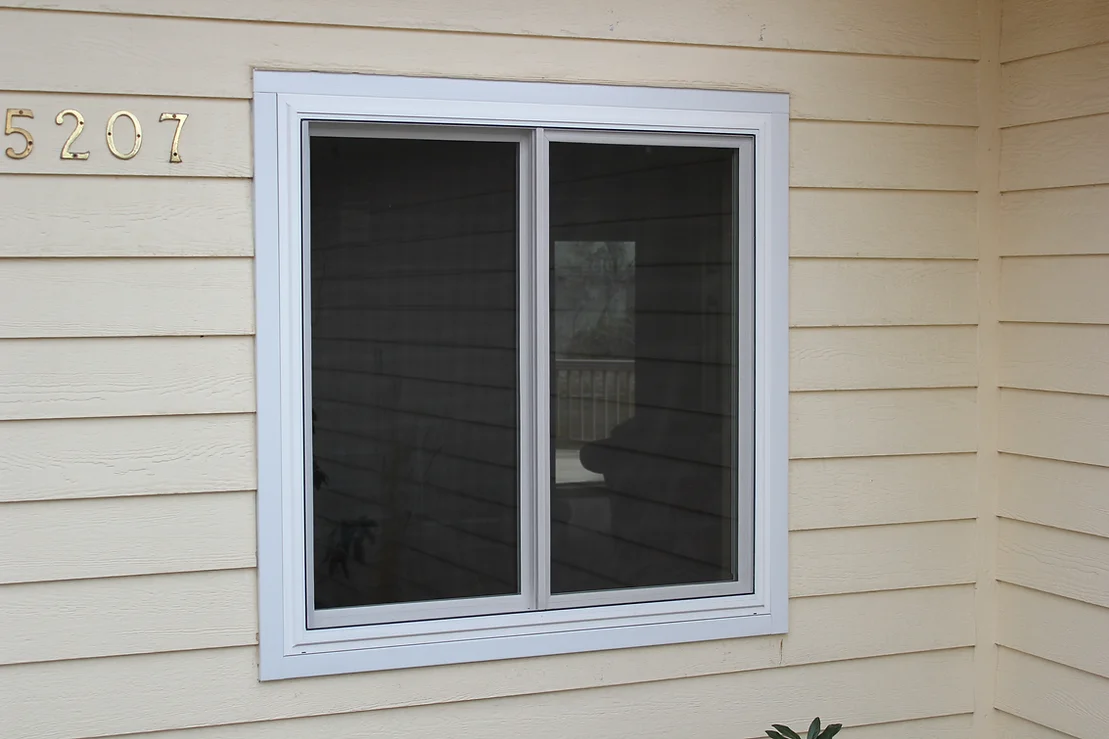
Why Vinyl Windows Are the Smart, Low-Maintenance Choice for Las Vegas Homes
Vinyl windows are window frames manufactured from polyvinyl chloride (PVC) that resist warping, fading, and moisture without requiring painting or sealing. In a desert climate where summer temperatures regularly hit 115 degrees Fahrenheit, vinyl holds up where wood and aluminum often fail.
This guide focuses specifically on vinyl window performance, energy savings, and cost value for Nevada homeowners replacing or upgrading windows in 2026.
Vinyl Windows Definition: A window system built with extruded PVC frames that provide thermal insulation, UV resistance, and structural integrity with minimal upkeep over the window’s lifespan.
The most common mistake homeowners make is choosing windows based on upfront price alone. Vinyl windows carry a slightly higher sticker cost than basic aluminum frames in some cases, but the long-term math flips quickly once you factor in energy bills, maintenance time, and replacement cycles. Energy professionals widely recognize that heat gain and loss through windows represents a significant share of residential heating and cooling energy use, a factor that hits harder in Nevada than almost anywhere else.

Why Vinyl Windows Perform Differently in Desert Climates
Las Vegas sits in a high-desert zone with extreme UV exposure, rapid temperature swings between day and night, and very low humidity. That combination punishes certain window materials fast.
Wood frames expand and contract with temperature changes, eventually warping and cracking. Aluminum conducts heat directly into your home, acting almost like a radiator during summer afternoons. Vinyl, by contrast, has low thermal conductivity. PVC does not conduct heat efficiently, so the frame itself does not become a pathway for outdoor temperatures to enter your living space.
The UV story matters too. Nevada is well known for its abundant sunshine throughout the year. Modern vinyl frames include UV stabilizers in the PVC compound, which prevents the chalking and brittleness you might see in older vinyl products. High-quality vinyl windows today carry ratings that hold color and structural integrity for 20-30 years without repainting or resealing.
Vinyl vs. Aluminum Windows: Which Approach Works?
Where vinyl succeeds: Superior thermal insulation, no corrosion risk, no repainting required, better sound dampening, and lower lifetime maintenance costs.
Where vinyl fails: Fewer color customization options compared to painted aluminum, slightly less structural rigidity for very large window openings, and some cheaper grades yellow over time if UV stabilizers are low-quality.
Where aluminum succeeds: Thinner sightlines for a sleeker look, better rigidity for oversized windows, and wider color variety from anodized or powder-coated finishes.
Where aluminum fails: Conducts heat and cold into the home, prone to condensation in seasonal temperature swings, and requires repainting or coating maintenance every several years.
The verdict: For Nevada homeowners focused on energy performance and low upkeep, vinyl is the stronger choice in most situations. Aluminum makes sense only when architectural design demands thin sightlines or very large commercial-style openings where structural strength is non-negotiable.
| Window Type | Cost Range Per Window | Maintenance Level | U-Factor Range | Best For |
|---|---|---|---|---|
| Vinyl (mid-grade) | Varies by market | Very Low | 0.25 – 0.35 | Most residential homes |
| Vinyl (premium) | Varies by market | Very Low | 0.20 – 0.28 | High-performance builds |
| Aluminum | Varies by market | Moderate | 0.40 – 0.55 | Modern architectural designs |
| Wood | Varies by market | High | 0.30 – 0.45 | Historical or custom homes |
| Fiberglass | Varies by market | Low | 0.20 – 0.30 | Premium builds, coastal exposure |
Thinking about this for your home? Let’s talk. At Desert King Windows in Las Vegas NV, we walk you through your options with no pressure and no guesswork.
Nevada Energy Incentives That Make Vinyl Windows More Affordable in 2026
Federal residential energy tax credit programs have offered incentives for qualifying energy-efficient windows in recent years. Homeowners should verify current eligibility requirements, credit amounts, and qualifying window specifications with a tax professional or the relevant federal agency before purchasing, as program details and annual limits can change. Windows may need to meet specific U-factor and Solar Heat Gain Coefficient (SHGC) thresholds to qualify.
NV Energy also offers rebate programs for qualifying efficiency upgrades. Eligibility requirements and rebate amounts shift annually, so checking directly with NV Energy before purchasing is worth the five-minute call. According to the ENERGY STAR program, windows in the Southern climate zone (which includes Nevada) should target an SHGC of 0.25 or lower to meaningfully reduce solar heat gain.
Your Vinyl Window Replacement Action Plan
- Step 1 – Assess your current windows: Look for fogging between panes, difficult operation, visible frame cracks, or noticeably hot glass near frames. Any of these signal it is time to replace, not repair.
- Step 2 – Confirm measurements: Rough opening dimensions determine what size and style fits. A professional measurement prevents costly reorders.
- Step 3 – Choose your efficiency rating: For Nevada, target a U-factor below 0.30 and an SHGC at or below 0.25 for west- and south-facing windows.
- Step 4 – Verify permits: Clark County requires permits for window replacements that change the size or location of the opening. Like-for-like replacements in the same rough opening typically do not require a permit, but confirm with your jurisdiction before starting.
- Step 5 – Schedule installation: Spring and fall are ideal timing in Nevada. Avoiding mid-summer installs reduces heat exposure for both the crew and the curing sealants.
What to Check Before Installation Day
- Confirm the installer carries a Nevada contractor’s license (verify at the Nevada State Contractors Board)
- Request proof of general liability insurance and workers’ compensation coverage
- Review manufacturer warranty terms, specifically what voids coverage
- Confirm window frames include multi-chamber PVC construction for better insulation
- Ask whether the installation includes low-expansion foam and proper flashing around the frame
Key Takeaways for Nevada Homeowners in 2026
- Vinyl outlasts aluminum in desert heat – low thermal conductivity keeps frames from acting as heat conduits into your home
- Federal tax credit programs may be available – consult a tax professional to confirm current eligibility and credit amounts for energy-efficient window upgrades
- SHGC matters as much as U-factor – target 0.25 or lower for south- and west-facing windows in Nevada
- Permits may or may not be required – like-for-like replacements usually skip the permit process, but size changes require Clark County approval
- Installation timing affects quality – spring and fall installs allow sealants to cure properly in moderate temperatures
Frequently Asked Questions
How much do vinyl windows cost in Nevada?
Vinyl window pricing in Nevada varies based on window size, grade, glass package, and installation complexity. Total project cost depends on window count, frame size, and whether structural modifications are needed for the rough opening.
Do vinyl windows hold up in extreme heat?
Quality vinyl windows with UV stabilizers in the PVC compound perform reliably in temperatures well above 100 degrees Fahrenheit. Budget-grade vinyl without proper UV additives can yellow or warp over time, which is why grade and manufacturer matter more than the material alone.
What SHGC rating should I target for Las Vegas?
For Nevada’s Southern climate zone, ENERGY STAR recommends an SHGC at or below 0.25 for windows with significant solar exposure. West-facing and south-facing windows benefit most from a low SHGC, which blocks solar heat gain during peak afternoon hours.
Do I need a permit to replace windows in Clark County?
Like-for-like window replacements in the same rough opening typically do not require a permit in Clark County. If you are changing the window size, adding a window, or modifying the structural opening, a permit is required. Always confirm current requirements with Clark County Building Department before starting work.
How long does vinyl window installation take?
A standard whole-home replacement of 10 to 15 windows typically takes one to two days for a professional crew. Single-window replacements often finish in under two hours once the product arrives on-site.
Can vinyl windows reduce my NV Energy bill?
Yes, and the reduction can be significant in Nevada’s cooling-heavy climate. Homes with single-pane or older double-pane windows often see meaningful drops in cooling costs after upgrading to ENERGY STAR-rated vinyl units with low SHGC values, particularly on sun-exposed facades.
How do I verify a window contractor is licensed in Nevada?
The Nevada State Contractors Board maintains a public license lookup tool at nscb.nv.gov where you can search by contractor name or license number. Always verify before signing a contract and confirm general liability insurance is current.
Ready to Replace Your Windows?
Older windows in Nevada homes work against you every summer. They let solar heat pour in, strain your air conditioner, and quietly add to every NV Energy bill. The fix is straightforward, and available federal tax credit programs can make the timing more affordable for qualifying homeowners.
Serving homeowners throughout North Las Vegas, Henderson, Summerlin, Spring Valley, Enterprise, and the surrounding Clark County area, the team at Desert King Windows in Las Vegas NV is ready to help you choose the right product and get it installed correctly. Stop by our location at 4224 Arcata Way Unit H, North Las Vegas, NV 89030, or reach out today for a free estimate. No pressure, no vague quotes – just straight answers about what works for your home.
Recent posts
 Vinyl vs. Fiberglass Windows in Arizona: An Honest Desert ComparisonSeptember 28, 2026
 Entry-Door Replacement in Phoenix: Curb Appeal That Can Take 115 DegreesSeptember 21, 2026
 The Federal Window Tax Credit Ended – How Las Vegas Homeowners Can Still Save in 2026September 18, 2026
 Security Screen Doors in Arizona: Airflow, Style, and Protection for Desert HomesSeptember 14, 2026