

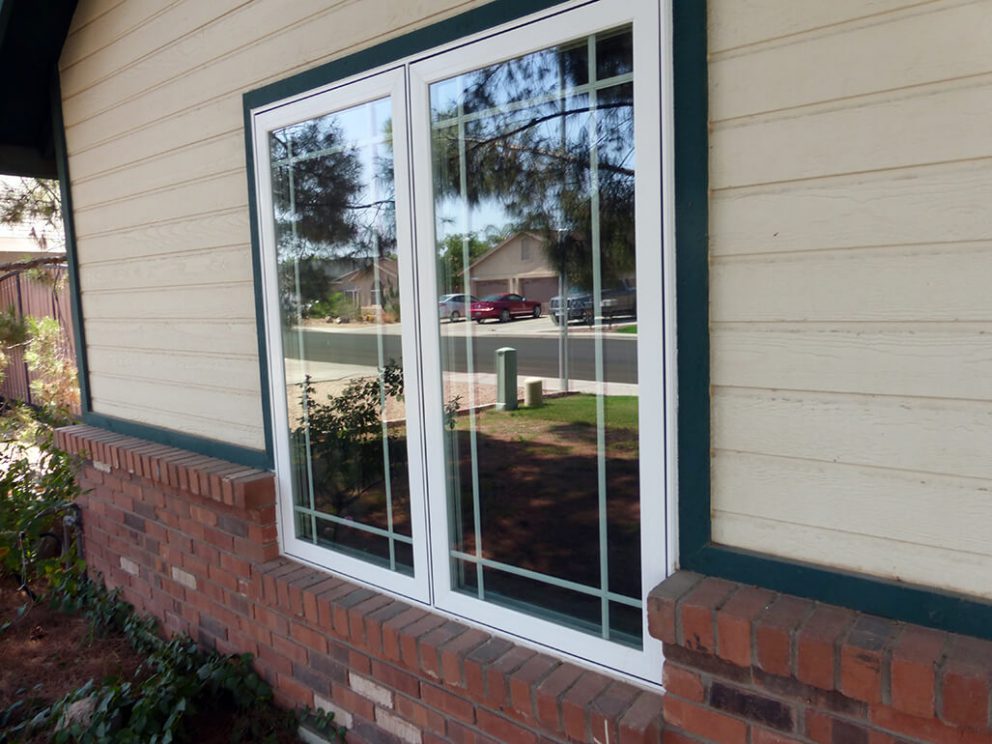
Energy-Efficient Patio Doors for Arizona: Stop the Heat Pouring Through Your Glass
Energy-efficient patio doors for Arizona homes are door systems engineered with low-SHGC glass, thermally broken frames, and multi-point sealing to block intense solar heat gain in desert climates. In Arizona’s desert climate, choosing the wrong patio door can meaningfully increase your cooling costs and reduce indoor comfort throughout the hottest months.
This guide focuses specifically on Arizona homeowners evaluating patio door upgrades for heat reduction, energy savings, and long-term comfort.
The most common mistake we see is homeowners focusing only on frame style or price, then ignoring the glass performance ratings that actually determine how much heat enters the room. A door that looks great but carries a high Solar Heat Gain Coefficient (SHGC) will turn your living room into a greenhouse by 2 p.m. every afternoon.
Energy-Efficient Patio Door Definition: A thermally optimized door assembly combining low-SHGC double- or triple-pane glass, insulated framing, and weathertight seals to minimize heat transfer in high-temperature climates like Phoenix, AZ.

Why Arizona Patio Doors Fail Faster Than You Think
Standard patio doors sold nationally are built for average climates. Phoenix is not average. The UV index here is among the highest in the country, and west- or south-facing glass doors absorb brutal afternoon radiation for six or more months each year.
According to the U.S. Department of Energy, doors and windows combined account for up to 30% of a home’s heating and cooling energy use. In Phoenix, that number skews heavily toward cooling losses through glass.
Signs your current patio door is losing the battle against heat:
- The room near the door feels noticeably hotter than the rest of the house
- Your AC runs longer after midday without the thermostat changing
- The glass surface feels warm to the touch from inside
- Weatherstripping is cracked, compressed flat, or pulling away from the frame
- You notice fading on flooring or furniture near the door
Thinking about upgrading your patio door this season? Desert King Windows in Phoenix AZ can walk you through your options with a no-pressure assessment. Reach out today and get straight answers before temperatures peak.
Energy-Efficient Patio Door Glass Ratings That Matter in the Desert
SHGC (Solar Heat Gain Coefficient): A number between 0 and 1 measuring how much solar radiation passes through glass. Lower is better in Arizona. The ENERGY STAR program provides climate zone guidance for the Southwest region, and targeting a low SHGC is essential for desert performance.
U-Factor: Measures heat transfer from conduction and convection, not solar radiation. In Phoenix’s hot-dry climate, SHGC matters far more than U-factor for summer performance, though a low U-factor still helps overnight heat retention in cooler months.
VT (Visible Transmittance): How much natural light passes through. You want a balance: enough light to enjoy the patio view without the solar heat penalty. Look for VT around 0.40-0.55 paired with low SHGC.
Sliding Glass vs. French Patio Doors: Which Handles Arizona Heat Better?
Where sliding doors succeed: Larger glass panels capture views, require no swing clearance, and are easier to find in high-performance glass configurations. Wide multi-panel systems can be specified with low SHGC ratings suited to desert conditions.
Where sliding doors fail: The track system can accumulate dust and debris in desert conditions. Seal compression along the bottom track weakens over time, allowing conditioned air to escape. Rollers and tracks need cleaning more frequently in dusty Phoenix neighborhoods.
Where French doors succeed: Better weatherstripping options on all four edges when closed, stronger frame-to-frame sealing, and a more traditional aesthetic that many Phoenix homeowners prefer on covered patios and courtyards.
Where French doors fail: Swing clearance requirements reduce usable space. Glass-to-frame ratios can vary widely by manufacturer, and lower-tier French doors sometimes cut corners on thermal breaks in the aluminum or steel frame.
The verdict: For pure solar heat reduction, a high-performance sliding door with SHGC below 0.25 and a good track seal system is the stronger performer in full-sun exposures. French doors win on sealing efficiency for covered patio installations. Match the door type to your exposure, not just your style preference.
Brand Comparison: Energy-Efficient Patio Doors for Phoenix Conditions
| Brand | Product Line | SHGC Range | Frame Material | Price Range (2026) | Best For |
|---|---|---|---|---|---|
| Anlin | Malibu Series | 0.19-0.24 | Vinyl | $1,800-$3,200 | Desert performance, West-facing walls |
| Milgard | Tuscany / Trinsic | 0.22-0.27 | Vinyl / Aluminum | $1,600-$3,000 | Southwest climate, wide openings |
| PGT Innovations | WinGuard Series | 0.20-0.25 | Vinyl / Aluminum | $2,000-$3,800 | Impact resistance + heat control |
| Andersen | E-Series / A-Series | 0.24-0.30 | Fiberglass / Wood | $2,500-$5,000 | Design flexibility, shaded exposures |
| Simonton | Reflections 5500 | 0.23-0.28 | Vinyl | $1,400-$2,600 | Budget-conscious energy upgrades |
Price ranges shown are general estimates for reference purposes. Multi-door systems and larger openings will shift costs upward. Contact local installers for current quotes specific to your project.
Your Energy-Efficient Patio Door Action Plan
- Step 1 – Assess Your Exposure: Identify which direction your patio door faces. South and west exposures demand the lowest SHGC ratings available (0.19-0.22). North-facing doors have more flexibility.
- Step 2 – Set Your Glass Minimums: Require SHGC 0.25 or lower and double-pane Low-E glass with an argon fill as a baseline. Reject any proposal that does not meet these specs.
- Step 3 – Evaluate Frame Material: Vinyl frames resist heat warping better than standard aluminum in Phoenix conditions. If you prefer aluminum, confirm it has a thermal break built into the frame system.
- Step 4 – Check the Seal System: Ask installers specifically how the door seals at the bottom track or sill. This is where most energy loss happens in desert climates over time.
- Step 5 – Verify Permit and Installation: Patio door replacements in Phoenix typically require a building permit. Confirm your contractor pulls the permit and schedules city inspection.
- Step 6 – Claim Available Credits: The federal energy efficiency tax credit allows up to $600 for qualifying exterior doors (2026 limits, per IRS guidelines). Confirm ENERGY STAR certification before purchase.
Ready to stop guessing and start saving? Contact Desert King Windows in Phoenix AZ at 2615 S 21st St, Phoenix, AZ 85034 to get a real assessment of your patio door situation. No fluff, no pressure – just honest options.
Pre-Installation Checklist
- ☐ Confirm door measurements (width, height, and rough opening)
- ☐ Request SHGC and U-factor documentation from the manufacturer
- ☐ Verify ENERGY STAR Southwest Zone certification
- ☐ Ask for proof of contractor licensing and insurance
- ☐ Confirm building permit is included in the project scope
- ☐ Review warranty terms for both glass and frame separately
- ☐ Schedule installation during cooler morning hours in summer
Key Takeaways for Arizona Homeowners in 2026
- SHGC is the number that matters most – target 0.25 or below for south and west exposures in Phoenix
- Track sealing degrades in desert dust – sliding doors need periodic track cleaning and weatherstrip inspection
- Frame material affects long-term performance – vinyl outperforms standard aluminum in sustained high heat
- Federal tax credits are available in 2026 – up to $600 for qualifying ENERGY STAR-certified patio doors
- Permits are required in Phoenix – always confirm your installer handles the city permit process
Frequently Asked Questions
What SHGC rating do I need for a patio door in Phoenix, AZ?
For Phoenix, look for an SHGC of 0.25 or lower, and ideally 0.20-0.22 for south- or west-facing doors. ENERGY STAR provides Southwest climate zone specifications for certification in this region. Going lower reduces solar heat gain more aggressively during summer peak hours.
How much does energy-efficient patio door replacement cost in Phoenix?
Installed patio door replacement in the Phoenix area typically runs $1,400 to $3,800 per unit depending on brand, glass package, and door configuration (2026). High-performance multi-panel sliding systems or specialty French door setups with impact glass can push costs higher. Most homeowners see the investment offset through reduced cooling costs within a few years.
Do I need a permit to replace a patio door in Phoenix?
Yes, the City of Phoenix requires a building permit for patio door replacements in most cases. Your licensed contractor should pull the permit and arrange the inspection. Skipping the permit can create issues at resale and may void manufacturer warranties.
Is double-pane or triple-pane glass better for Arizona patio doors?
Double-pane Low-E glass with the right SHGC rating outperforms triple-pane glass in hot-dry climates like Phoenix in most real-world scenarios. Triple-pane adds insulation value (lower U-factor) that matters more in cold climates. Spend your budget on lower SHGC and better Low-E coatings rather than a third pane for Arizona conditions.
What tax credit is available for patio doors in 2026?
The federal Energy Efficient Home Improvement Credit covers up to $600 for qualifying exterior doors, including patio doors, in 2026. The door must meet ENERGY STAR requirements for the Southwest zone. Consult your tax advisor to confirm eligibility based on your specific situation.
How long does patio door installation take?
Most single patio door replacements are completed in four to six hours once materials arrive. Multi-panel or custom-sized configurations may take a full day. Lead times on specialty glass packages in 2026 run two to four weeks from order to installation depending on the brand and configuration chosen.
Recent posts
 Vinyl vs. Fiberglass Windows in Arizona: An Honest Desert ComparisonSeptember 28, 2026
 Why Vinyl Windows Are the Smart, Low-Maintenance Choice for Las Vegas HomesSeptember 25, 2026
 Entry-Door Replacement in Phoenix: Curb Appeal That Can Take 115 DegreesSeptember 21, 2026
 The Federal Window Tax Credit Ended – How Las Vegas Homeowners Can Still Save in 2026September 18, 2026