

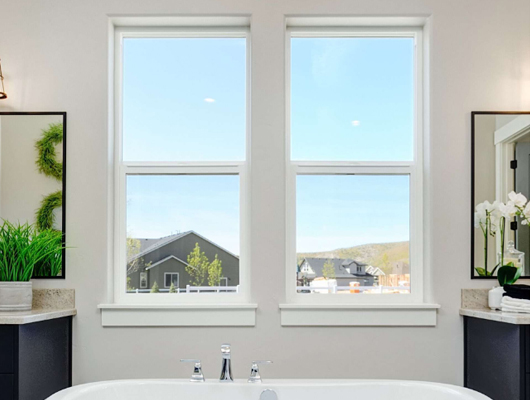
Double-Pane vs. Triple-Pane Windows in Las Vegas: Which Is Actually Worth It in the Desert?
Double-pane vs. triple-pane windows is a comparison between two insulated glazing systems that differ in the number of glass layers and air or gas-filled chambers between them. In a desert climate like Southern Nevada, choosing the right glazing directly affects your energy bills, indoor comfort, and long-term home value.
This guide focuses specifically on homeowners in the Las Vegas metro area who are weighing window replacement costs against real-world energy performance in extreme heat.
Definition: Double-pane windows use two glass panes separated by a sealed gas-filled chamber, while triple-pane windows add a third pane and second chamber, improving insulation but increasing cost and weight.
The most common mistake we see is homeowners defaulting to triple-pane simply because it sounds better. In colder climates, that logic holds up. In Las Vegas, the calculus is different. Let’s break it down clearly.

How Each Window Type Performs in Desert Heat
Solar Heat Gain Coefficient (SHGC): A rating between 0 and 1 that measures how much solar heat passes through a window. Lower numbers block more heat, which matters enormously in a city where summer temperatures regularly exceed 110 degrees Fahrenheit.
U-Factor: Measures how quickly a window transfers heat. Lower U-factors mean better insulation against both heat gain in summer and heat loss on winter nights.
Double-pane windows with low-e coatings and argon gas fill typically achieve U-factors between 0.25 and 0.30 and SHGC ratings as low as 0.22. Triple-pane units push U-factors down to 0.10 to 0.18. The difference sounds significant, but here is what that actually means for a Las Vegas home: your heating load is relatively small. The bigger energy driver is cooling, and both window types address that primarily through SHGC, not pane count.
According to the U.S. Department of Energy, low-e coatings on double-pane windows can reduce solar heat gain by up to 70 percent compared to standard clear glass. That is the number that moves the needle on your NV Energy bill, not whether you have two panes or three.
Double-Pane vs. Triple-Pane: Which Approach Works?
Where double-pane succeeds: Lower upfront cost, lighter weight (important for older framing), excellent SHGC performance with quality low-e coatings, widely available from multiple manufacturers, and well-suited to Las Vegas’s dominant cooling demand.
Where double-pane falls short: Less effective at blocking overnight heat escape during winter, slightly higher U-factors, and less acoustic dampening on noisy streets near the Strip corridor or major arterials.
Where triple-pane succeeds: Superior noise reduction, meaningfully better winter insulation, and excellent long-term performance in homes with large west-facing or south-facing glass areas that see intense afternoon sun exposure.
Where triple-pane falls short: Triple-pane windows carry a higher upfront cost per window, heavier frames can stress older window openings, longer lead times, and the energy payback period in a predominantly cooling climate can stretch to 15 to 20 years.
The verdict: For most Las Vegas homes, high-performance double-pane windows with low-e coatings and argon gas fill deliver strong energy performance at a lower cost than triple-pane alternatives. Triple-pane makes sense for homes with extensive glass square footage, serious noise concerns, or owners planning a long-term hold of 15-plus years.
Thinking about this for your specific home? Let’s talk. The team at Desert King Windows in Las Vegas NV will walk you through your options with no pressure and straight answers.
Brand Comparison: Top Window Lines for the Desert Southwest
Several manufacturers offer window lines suited to desert southwest conditions. When evaluating products, ask your contractor for current pricing, verified U-factor data, and manufacturer documentation for any line you are considering, as product specifications and costs vary by region, dealer, and installation scope.
| Brand | Product Line | Pane Options | Price Range Per Window | U-Factor | Best For |
|---|---|---|---|---|---|
| Andersen | 400 Series | Double | $450 – $900 (2026) | 0.27 | Classic look, mid-range budget |
| Milgard | Tuscany Series | Double | $350 – $750 (2026) | 0.25 | Western U.S. heat performance |
| Pella | Impervia | Double | $400 – $850 (2026) | 0.26 | Fiberglass durability in extreme heat |
| Simonton | Pro-Double | Double | $280 – $580 (2026) | 0.28 | Value-focused replacements |
| Marvin | Signature Ultimate | Triple | $900 – $1,800 (2026) | 0.12 | High-end homes, noise reduction |
Nevada Tax Credits and Rebate Programs (2026)
This is where the math can shift in your favor. Federal tax credits for qualifying windows are limited under current law and IRS guidance, and the applicable cap should be verified against the latest federal rules rather than stated as a flat 30 percent up to $600 per year. According to ENERGY STAR, qualifying windows must meet specific U-factor and SHGC thresholds for your climate zone.
- Federal tax credit: Up to $600 annually for qualifying windows (2026)
- NV Energy rebates: Check current offerings through their Home Energy Checkup program
- Nevada does not impose a state income tax, so federal credits carry full value
- ENERGY STAR Zone 3 (Southern Nevada) requires SHGC of 0.25 or lower for maximum qualification
Your Window Replacement Action Plan
- Step 1 – Assess your current windows: Note fogging between panes, drafts near frames, or rooms that stay hot despite AC. These are clear signs your existing windows are failing their job.
- Step 2 – Measure your glass exposure: South and west-facing windows receive the most solar load. Prioritize those rooms first if you are replacing in phases.
- Step 3 – Compare SHGC ratings: Ask every contractor for SHGC data on the specific product they propose, not just the brand name. This single number predicts most of your summer energy savings.
- Step 4 – Get itemized quotes: Require line-item pricing on product, labor, permit fees, and disposal of old windows separately. This makes comparison honest.
- Step 5 – Verify contractor credentials: Confirm the Nevada State Contractors Board license number before signing. You can verify at nvcontractorsboard.com.
Pre-Installation Checklist
- ☐ Confirm window measurements from at least two contractors
- ☐ Request ENERGY STAR certification documentation for proposed products
- ☐ Ask about Clark County or City of North Las Vegas permit requirements
- ☐ Verify argon or krypton gas fill is included, not just low-e glass
- ☐ Confirm full-frame vs. insert installation and what is included
- ☐ Get warranty terms in writing for both product and labor
Key Takeaways for Desert Homeowners in 2026
- SHGC beats pane count – in Southern Nevada’s cooling-dominant climate, solar heat gain coefficient matters more than having two or three panes
- Double-pane delivers most of the value – quality double-pane with low-e and argon gas captures strong energy performance at a lower cost than triple-pane alternatives
- Triple-pane earns its cost in specific cases – large glass areas, noise sensitivity, and long ownership horizons tip the balance toward triple-pane
- Federal credits reduce your net cost – verify the current federal tax credit cap and eligibility requirements against the latest IRS guidance for qualifying ENERGY STAR windows
- Contractor verification is non-negotiable – always check your installer’s Nevada Contractors Board license before any agreement
Frequently Asked Questions
Is triple-pane worth the extra cost in Las Vegas?
For most Las Vegas homes, triple-pane is not necessary to achieve significant energy savings. High-quality double-pane windows with low-e coatings and argon fill perform extremely well in a cooling-dominant desert climate. Triple-pane becomes worthwhile if you have a large glass footprint, live near a busy road, or plan to stay in your home for 15 or more years.
What SHGC rating should I look for in the desert?
Look for an SHGC of 0.25 or lower for Southern Nevada homes. The lower the SHGC, the less solar heat enters your home, which directly reduces your air conditioning load. ENERGY STAR Zone 3, which covers Las Vegas, specifically targets this threshold for maximum credit eligibility.
How much do replacement windows cost in Las Vegas in 2026?
Typical installed costs range from $350 to $900 per window for double-pane and $900 to $1,800 per window for triple-pane (2026 market rates). Total project cost depends on window count, frame condition, and whether a full-frame or insert replacement is needed. Always get at least three itemized quotes.
Do I need a permit to replace windows in North Las Vegas?
Most window-for-window replacements that do not alter the opening size do not require a permit in Clark County. If you are expanding an opening or changing the window type structurally, a permit is typically required. Ask your contractor to confirm before work begins.
How long does a window replacement project take?
Most residential window replacements take one to two days for an average-sized home. Lead times for the windows themselves can run two to six weeks depending on manufacturer and customization. Plan the project timeline accordingly, especially during peak summer season when demand is highest.
How do I verify a window contractor is licensed in Nevada?
Check the Nevada State Contractors Board database before signing any contract. A valid Class B or C-17 (glazing) license is required for window installation in Nevada. Verifying takes under two minutes and protects you from unlicensed operators.
The Bottom Line for Southern Nevada Homeowners
Choosing between double-pane and triple-pane comes down to your home’s specific exposure, your budget, and how long you plan to stay. For most homes served by the team at Desert King Windows in North Las Vegas, NV 89030, a well-specified double-pane system with low-e glass and argon gas is the smart, cost-effective answer. The energy savings are real, the payback period is reasonable, and the federal credit makes it even more attractive this year.
Ready to get a straight assessment of what your home actually needs? Contact us today and we will walk through your options, measure your exposure, and give you honest numbers – no upsell, no pressure.
Recent posts
 Vinyl vs. Fiberglass Windows in Arizona: An Honest Desert ComparisonSeptember 28, 2026
 Why Vinyl Windows Are the Smart, Low-Maintenance Choice for Las Vegas HomesSeptember 25, 2026
 Entry-Door Replacement in Phoenix: Curb Appeal That Can Take 115 DegreesSeptember 21, 2026
 The Federal Window Tax Credit Ended – How Las Vegas Homeowners Can Still Save in 2026September 18, 2026