

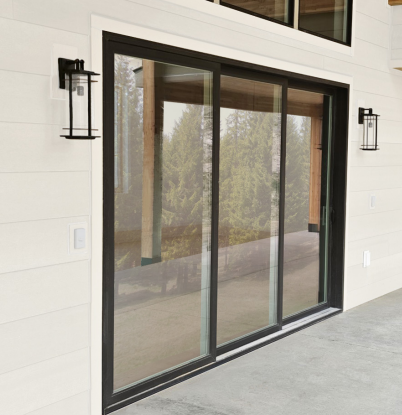
What Window Installers Won’t Tell You About Coeur D’Alene Windows in Phoenix
Most window installers in Phoenix won’t be straight with you about Coeur D’Alene windows. They’ll tell you about energy efficiency and curb appeal, but they’re leaving out some crucial details that could save you thousands—or cost you big if you don’t know what to look for.
Here’s what’s really happening with Coeur D’Alene windows in our desert climate, and why the standard sales pitch misses the mark completely.
The Desert Performance Reality They Don’t Mention
Coeur D’Alene windows are built for Pacific Northwest weather—cool, wet conditions unlike Phoenix summers. When temperatures hit 115°F and UV levels spike, these windows face challenges most installers won’t discuss upfront.
The truth is, any window brand needs proper installation and the right glass packages to handle Arizona heat. Here’s where it gets interesting: Coeur D’Alene’s vinyl formulation actually holds up better than many competitors in extreme heat cycles. The company reformulated its vinyl compound specifically for southwestern markets after learning about thermal expansion issues.
What does this mean for you? Your windows won’t warp or stick like cheaper alternatives, but only if they’re installed with proper expansion gaps. Most installers skip this step because it takes longer.
The Glass Package Secret
This is where installers often mislead homeowners. They’ll sell you standard double-pane glass with basic Low-E coating and call it “desert-ready.” It’s not.
Coeur D’Alene offers three glass packages for Arizona markets, but many installers only stock the cheapest option. The mid-tier package includes spectrally selective coatings that reject heat while allowing natural light through. The premium package adds argon fill and warm-edge spacers, which can reduce energy transfer by another 20%.
Thinking about this for your situation? Let’s talk. We’ll walk you through your options—no pressure.
Here’s the real kicker: the price difference between basic and premium glass packages is usually less than $50 per window, but the energy savings difference is massive. We’re talking about $200-$400 less per year on cooling bills for an average Phoenix home.
Installation Shortcuts That Cost You Later
Even quality Coeur D’Alene windows fail when installation corners get cut. We see this constantly in Phoenix—windows that looked great for two years, then started having problems.
The most common shortcut? Inadequate air sealing around the frame. Arizona’s extreme temperature swings cause building materials to expand and contract dramatically. Without proper sealant application and backing rod installation, gaps form that allow conditioned air to escape.
Another problem: wrong fastener spacing. Coeur D’Alene specifies fastener placement at maximum every 16 inches in high-wind areas like Phoenix. Many installers go 24 inches to save time. When monsoon winds hit, frames can bow and seals can break.
Warranty Loopholes You Need to Know
Coeur D’Alene offers solid warranties, but there are specific requirements for desert installations that most homeowners never hear about. The glass seal warranty, for example, requires annual inspections in extreme climate zones.
Miss those inspections? Your warranty could be voided if the seal fails. The vinyl warranty also has specific requirements about paint colors and reflective films that can void coverage if ignored.
At Desert King Windows in Phoenix, AZ, we handle warranty registration and provide inspection reminders to protect your investment. Most installers forget about you once the check clears.
What Actually Matters in Phoenix
Look, Coeur D’Alene makes decent windows when correctly specified and installed. But success in Phoenix comes down to three things most installers won’t emphasize:
First, select a glass package based on your home’s orientation and existing insulation. South-facing windows need different specs than north-facing ones.
Second, installation details that account for thermal movement. This includes proper shimming, sealant selection, and fastener patterns specific to desert conditions.
Third, ongoing maintenance awareness. Desert dust and UV exposure require different care than most climates.
Your Next Step
The bottom line? Coeur D’Alene windows can work well in Phoenix, but only when you know what questions to ask and what specifications matter for our climate.
Don’t let an installer talk you into standard packages just because they’re in stock. Insist on glass packages rated for extreme heat, proper desert installation techniques, and warranty registration that protects your investment.
Ready to get straight answers about window options for your Phoenix home? Contact us for an honest assessment of what actually works in our desert climate—no sales pressure, just real solutions that make sense for Arizona homeowners.
Recent posts
 Energy Bills Keep Breaking Records in Texas (Until You Try This Window Fix)March 30, 2026
 Nevada’s Rising Energy Costs Are Forcing Las Vegas Homeowners to Act FastMarch 25, 2026
 What Window Companies Won’t Tell You About Windsor’s Warranty Terms in Las VegasMarch 17, 2026
 Replacement Window Costs Are Dropping 15% in Texas (Here’s When to Buy)March 17, 2026