

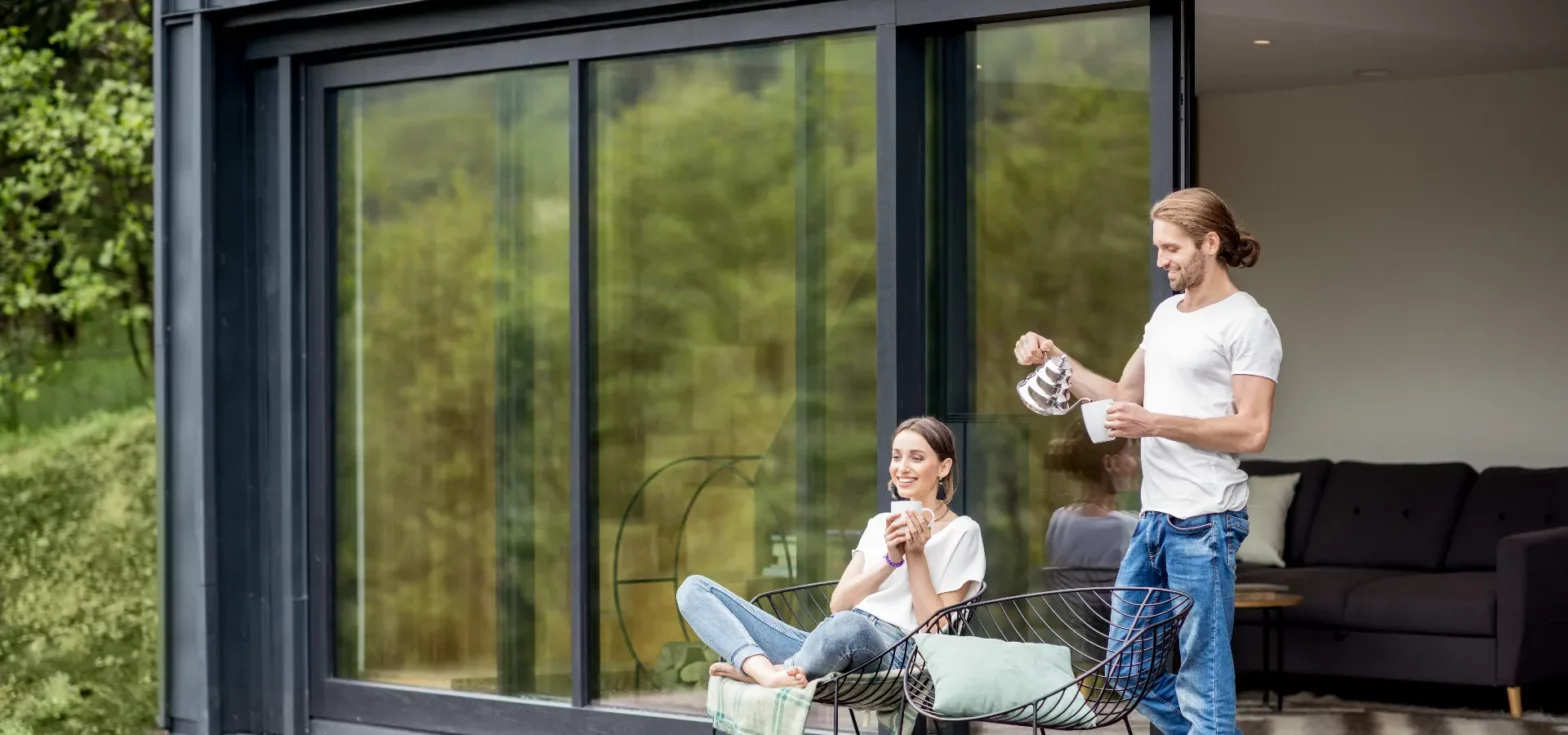
Vinyl vs. Fiberglass Windows: Which Holds Up Better in Las Vegas Heat?
Vinyl vs. fiberglass windows is a comparison of two of the most popular window frame materials on the market, each with distinct performance profiles under extreme temperature conditions. Choosing the right one for a desert climate can mean the difference between windows that last decades and ones that warp, fade, or leak air within a few years.
This guide focuses specifically on how vinyl and fiberglass windows perform under the intense UV exposure, triple-digit temperatures, and thermal cycling that define desert living in Nevada.
Vinyl vs. Fiberglass Windows Definition: A performance comparison between PVC-based vinyl frames and glass-fiber-reinforced fiberglass frames, evaluated across durability, energy efficiency, cost, and suitability for hot desert climates.
The most common mistake homeowners make is buying windows based on price alone. Frame material behavior in extreme heat is a separate conversation entirely, and it matters more in Nevada than almost anywhere else in the country. The thermal cycling here, swinging from 115°F afternoons to cool desert nights, stresses window frames in ways that mild climates simply never produce.

How Each Material Actually Behaves in Extreme Heat
Vinyl frames are made from PVC (polyvinyl chloride), a material that expands and contracts significantly with temperature changes. In moderate climates, this is barely noticeable. In Las Vegas, where summer surface temperatures on west-facing walls regularly hit 140°F or higher, vinyl frames can warp, bow, or lose their seal integrity over time.
Fiberglass frames are manufactured from glass fibers embedded in resin, giving them a thermal expansion rate nearly identical to glass itself. According to data from the U.S. Department of Energy, fiberglass windows typically maintain tighter seals over time because the frame and glass expand at the same rate. That means fewer drafts, better insulation consistency, and longer seal life in high-heat environments.
Thermal expansion coefficient (TEC): A measure of how much a material expands or contracts per degree of temperature change. Fiberglass has a TEC of roughly 8.5 x 10^-6 per °C, almost identical to glass. Vinyl’s TEC runs 50 to 100 ppm/°C, meaning it moves significantly more.
In climates with regularly extreme temperatures, fiberglass frames generally demonstrate greater longevity than vinyl before requiring seal replacement or frame correction, making them a stronger long-term option for desert environments.
Vinyl vs. Fiberglass Windows: Which Approach Works?
Where vinyl succeeds: Lower upfront cost, wide color variety, and solid performance in moderate climates. Vinyl is also widely available through most contractors and comes in a broad range of styles.
Where vinyl fails: In Nevada’s desert heat, vinyl’s high expansion rate leads to seal degradation faster than fiberglass. Colors fade under intense UV, and darker vinyl frames absorb significantly more heat. Structural rigidity also decreases over time in extreme conditions.
Where fiberglass succeeds: Exceptional dimensional stability in heat, paintable surface that holds color better under UV, superior strength-to-weight ratio, and longer seal life in thermal cycling environments. Fiberglass frames also accept foam insulation inside the cavity, improving R-value performance.
Where fiberglass fails: Higher upfront cost, fewer contractors stock it as a standard option, and color choices are more limited out of the box (though paintability offsets this).
The verdict: For Nevada homeowners dealing with sustained triple-digit heat, fiberglass is the stronger long-term investment. Vinyl works well in many situations, but the desert’s thermal extremes push it toward its performance limits faster than fiberglass.
Thinking about this for your situation? Let’s talk. We’ll walk you through your options at Desert King Windows in Las Vegas NV, no pressure.
Side-by-Side Comparison: Vinyl vs. Fiberglass in Desert Conditions
| Feature | Vinyl | Fiberglass |
|---|---|---|
| Installed Cost Per Window | Lower upfront cost | Higher upfront cost |
| Thermal Expansion | High (50-100 ppm/°C) | Low (8.5 ppm/°C) |
| UV Fade Resistance | Moderate | High |
| Lifespan in Desert Climate | 15-25 years | 30-40+ years |
| Paintable | No (limited) | Yes |
| Insulation Cavity | Some models | Most models, foam-filled |
| Best For | Budget-conscious, mild exposure | West/south-facing, high-heat zones |
Nevada Energy Incentives and Tax Credits (2026)
Nevada homeowners replacing windows with qualifying energy-efficient products can access federal incentives through the Energy Efficient Home Improvement Credit, which covers up to 30% of eligible window costs, capped at $600 per year (2026 limits). To qualify, windows must meet current ENERGY STAR requirements for the Southern climate zone, which includes Nevada.
- ENERGY STAR Southern Zone requires a U-factor of 0.40 or lower and an SHGC of 0.25 or lower
- NV Energy occasionally offers rebate programs for qualifying window replacements – check current program availability with your utility provider
- Federal tax credit: Up to $600 annually for qualifying windows (2026)
- Both vinyl and fiberglass frames can qualify, but the glazing specs matter most for certification
Your Window Selection Action Plan
- Step 1 – Assess Your Exposure: Walk your home’s exterior and note which windows face west or south. These catch the most heat and benefit most from fiberglass frames or high-SHGC glazing.
- Step 2 – Check Current Performance: Feel for drafts around existing frames during summer afternoons. Warped or sticky sashes are early signs of heat-related frame failure.
- Step 3 – Compare ENERGY STAR Ratings: Ask for U-factor and SHGC specs on any window you’re considering. For Nevada, SHGC below 0.25 is the target.
- Step 4 – Request Warranty Details: Fiberglass typically carries longer frame warranties. Vinyl warranties vary widely by brand and climate zone exclusions.
- Step 5 – Verify Contractor Credentials: Nevada requires contractors to hold a valid state license. Verify through the Nevada State Contractors Board before signing any agreement.
Pre-Installation Checklist
- ☐ Measure rough opening dimensions for each window
- ☐ Confirm ENERGY STAR Southern Zone certification on product spec sheet
- ☐ Verify U-factor and SHGC ratings in writing
- ☐ Request frame material warranty documentation
- ☐ Confirm permit requirements with North Las Vegas building department
- ☐ Check contractor license status on Nevada State Contractors Board site
Key Takeaways for Nevada Homeowners in 2026
- Fiberglass outlasts vinyl in desert heat – its lower thermal expansion rate protects seals and frame integrity longer
- Vinyl is more affordable upfront – but may cost more long-term through earlier replacement or seal repairs
- SHGC matters more than frame material for immediate energy savings in Nevada’s solar environment
- Federal tax credits up to $600 are available in 2026 for qualifying ENERGY STAR windows
- West and south-facing windows see the most stress and deserve the strongest frame material you can budget for
Frequently Asked Questions
Which window frame material is better for extreme heat like Las Vegas summers?
Fiberglass frames perform better in extreme desert heat because their thermal expansion rate closely matches the glass, preserving seal integrity longer. Vinyl frames expand and contract more aggressively under triple-digit temperatures, which can accelerate seal failure and frame warping over time.
How much more do fiberglass windows cost compared to vinyl in Nevada?
Fiberglass windows typically cost more per window installed compared to vinyl in the Nevada market. The higher upfront cost is often offset by longer lifespan and reduced maintenance in high-heat climates.
Do I need a permit to replace windows in North Las Vegas?
Most window replacements in North Las Vegas require a building permit, especially if the opening size changes. Contact the North Las Vegas Building and Safety Department to confirm requirements for your specific project before work begins.
Can vinyl windows hold up in Las Vegas if I choose the right product?
Yes, high-quality vinyl windows with reinforced frames and multi-chambered profiles perform significantly better in desert heat than basic vinyl products. Look for virgin vinyl (not recycled) with steel or fiberglass reinforcement in the sash and frame cavity.
What SHGC rating do I need for windows in Nevada?
Nevada falls in the ENERGY STAR Southern climate zone, which requires an SHGC of 0.25 or lower for qualification. Lower SHGC means less solar heat enters your home, which directly reduces cooling costs during summer months.
How long do fiberglass windows last in a desert climate?
Fiberglass windows in desert climates typically last 30 to 40 years or more with normal maintenance. Their resistance to UV fading and thermal cycling gives them a clear durability edge over vinyl in sustained high-heat environments.
Are there tax credits for replacing windows in Nevada in 2026?
Yes, the federal Energy Efficient Home Improvement Credit covers up to 30% of eligible window costs, capped at $600 per year (2026). Windows must meet ENERGY STAR Southern Zone specs, including a U-factor of 0.40 or lower and SHGC of 0.25 or lower.
Ready to Make the Right Call for Your Home?
The desert doesn’t forgive the wrong window choice. Frames that look great in a showroom can bow, fade, or leak within years when the summer hits hard. If you’re planning a replacement project this year or preparing for 2027, getting the frame material right from the start saves money and headaches down the road.
The team at Desert King Windows in Las Vegas NV, located at 4224 Arcata Way Unit H, North Las Vegas, NV 89030, works with homeowners across the valley to match the right product to real desert conditions. We serve neighborhoods throughout Clark County, including Henderson, Summerlin, Centennial Hills, Enterprise, Boulder City, and the greater North Las Vegas area.
Ready to take the next step? Contact us today for straight answers and real solutions. We’ll walk you through your frame options, review glazing specs, and help you get credit-qualifying products installed before the next summer heat season arrives.
Recent posts
 Best Windows for Phoenix Heat: Why SHGC Matters More Than U-Factor in the ValleyNovember 2, 2026
 Best Windows for Las Vegas Heat: The One Spec (SHGC) That Beats the Desert SunOctober 30, 2026
 UV-Blocking Windows: Stop Sun Damage, Fading, and Hot Spots in Your Arizona HomeOctober 26, 2026
 West-Facing Windows in Las Vegas: How to Tame the Brutal Afternoon SunOctober 23, 2026